What It Takes to Publish a LinkedIn Learning Course?
Aug 13, 2026It’s 2:47 AM. Quiet, finally. No dog barks, no honking noise, family is asleep. Well, I can finally hit the record button. This is what my recording days looked like.
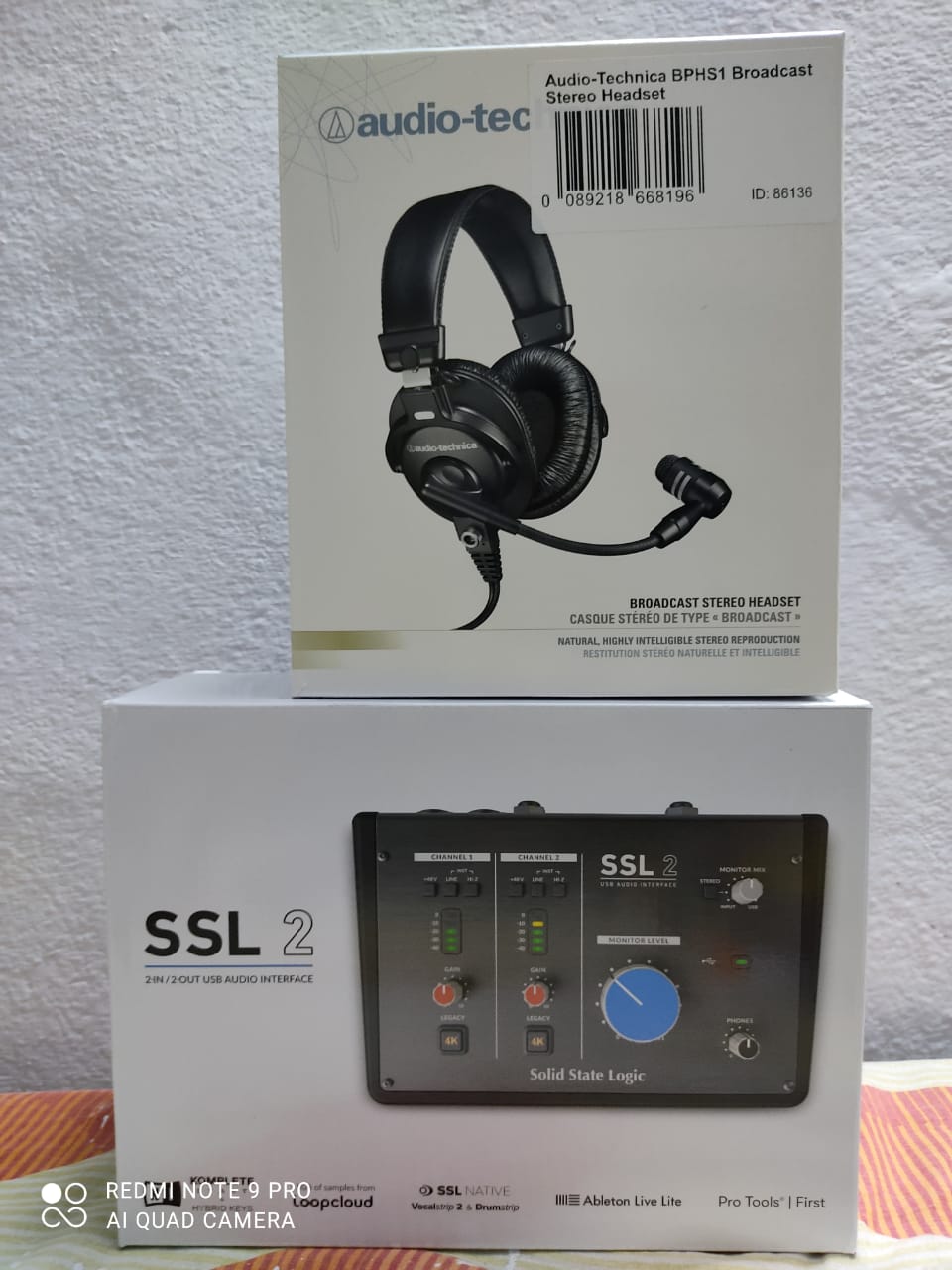 The recording kit, sent over by the LinkedIn Learning team in the US.
Here’s how I got there. During 2019-2020 I was very active in the Python community. 2019 was mainly offline meetups around Delhi-NCR. In 2020, when the world shifted online, so did the community meetups. I got the opportunity to give talks at Women Who Code (Global Community Meetup), PyLadies Berlin, PyLadies Ireland, San Diego Python, PyLadies London, and some more.
Along with meetups, a talk proposal on Memory Address in Python got selected for Remote Python Pizza Conference (Berlin), and Object Internals in Python got selected for EuroPython Conference 2020.
Around the same time, a Content Manager from LinkedIn Learning happened to visit my LinkedIn profile. Thanks to the notification, I was able to reach out to the person. He was kind to respond. That’s how the journey began. It took a lot of follow-ups before a Teams call was finally scheduled, where we discussed: “Why am I interested in creating the course in the first place?” Two rounds of such video calls, plus preparing a demo video of me teaching, led to the final selection. Woohoo! I was onboarded as an instructor on LinkedIn Learning. It was a paid opportunity too. Beyond the pay, I also received a LinkedIn Premium subscription and the recording kit pictured above.
On 13th May 2021, my first course, Python Data Structures: Sets and FrozenSets, was published on LinkedIn Learning. It reached 4022 paid learners, on a platform accessible only to people with a LinkedIn Premium subscription.
Fast forward to 2024, the team reached out to me again to work on releasing an update for my existing course.
On 27th Nov 2024, we released the updated course, under the same name. This version has more hands-on exercises and more in-depth explanations of topics. It has reached 2780 paid learners so far. Start to finish, the update took roughly 3 months.
Having gone through it twice from close quarters, let me walk you through the process.
Every instructor is assigned a Content Manager. With your Content Manager, you plan the deadlines for each step. It starts with coming up with the table of contents, which needs to be as detailed as possible, including the title, description, and learning goal for each video, along with details about any hands-on exercises.
The table of contents goes through several iterations, keeping the available time in mind. Once it’s finalized, for each title in the table of contents, you are asked to prepare the corresponding slides and script. The script is the content you speak for each video. Guidelines need to be followed so that everyone involved stays on the same page.
Once the script, slides, and hands-on exercises are finalized, the next step is recording. You record, review it, and tell the team if you want any part of the recording cut. Editing, graphics, animation, and post-production are all handled by the LinkedIn team.
From the face of it, this may appear like a solo effort, but the journey of bringing this course live involved a bunch of people from LinkedIn Learning, the Content, Audio, and Production teams. Thankful to them for standing beside and encouraging me at each step. Without them it wouldn’t have been possible.
That’s the mechanics of it. Zooming out, though, there’s a bigger picture worth naming. The more work you put out, the more your luck surface area increases. To say that giving umpteen talks directly led to this opportunity would be unfair. The Content Manager landing on my profile was surely down to luck. But all the effort that went into giving those talks surely gave me the confidence that I could create a course.